Archive for Announcements

How to Choose the Right Drain Repair Method for Your Property

Facility managers across Battle Creek know how fast a small drainage issue near retail centers, office parks, or industrial corridors can turn into standing water across asphalt or concrete. Heavy spring rain and clay-heavy soil make even minor failures feel urgent when customers, employees, or deliveries rely on clear, safe access. The good news is that there are clear steps to choose the right repair method for long-term performance.

The key is matching the repair to site conditions, traffic load, and how surface water moves across your pavement or grounds. This guide walks you through each step so you can choose the right solution and move toward a reliable fix.

Key Takeaways

  • Local soil conditions and commercial site drainage patterns determine the right repair method.
  • Video inspection helps confirm whether cleaning, lining, or full replacement is needed.
  • Permits, traffic control, and utility marking keep commercial repairs safe and compliant.
  • Proper backfill and surface restoration protect the new line and reduce future downtime.

Understand How Surface Water Moves Across Your Lot

A clear picture of surface water flow helps narrow repair options quickly.

Our crews often see commercial sites near Beckley Road or the Columbia Avenue retail corridors where pooling is caused by failed grading or overloaded catch basins rather than a damaged pipe. Clay soil absorbs water slowly, so even a small low spot in a parking lot can mislead a manager into assuming the underground drain line is the issue.

Walking the site after a moderate rain gives you real insight into where water collects and how quickly it clears. Once you know the flow patterns, you can decide if the problem relates to surface grading, catch basin function, or underground piping. This makes every next step far more accurate.

Confirm the Condition of Existing Drain Lines

A good repair choice depends on knowing whether the line is cracked, crushed, clogged, or separated. Many older commercial buildings around the West Michigan Avenue business district have original clay or cast-iron lines that fail in predictable ways.

Video inspection allows us to see inside the pipe and confirm the exact problem without removing pavement or disrupting landscaping near customer entrances.

  • If the pipe walls are intact, hydro-jetting or targeted cleaning may restore normal flow.
  • If we find joint failure, root intrusion from perimeter green strips, or complete collapse, lining or full replacement becomes the better fit.

This step keeps you from investing in the wrong level of work or scheduling unnecessary site disruption.

Factor Local Soil and Frost Depth

Clay soil and freeze cycles shape the best repair methods across Battle Creek. Frost depth determines how deep new commercial lines must sit to avoid winter movement that causes shifting or cracking.

Facilities near industrial zones south of I-94 often sit on softer soils that shift more after long freezes, which changes how we stabilize drain beds and bedding materials. Matching the repair to these conditions prevents repeat failures after a hard January cold snap.

Once you account for soil profile and frost depth, you can choose between spot repairs, structural lining, or full replacement. This adjustment often protects long-term performance more than any other factor.

Compare Lining, Excavation, and Replacement

Choosing between these options becomes easier once you know the site conditions.

Pipe lining works well when the host pipe is structurally sound, which is common in many newer commercial developments along M-66.

Excavation makes sense when the line is collapsed or sitting on unstable soil.

Full replacement is usually best for aging systems with repeated failures, especially near older warehouse districts or facilities with heavy truck traffic.

Each option carries different timelines and cost ranges depending on access, pipe depth, pavement removal, and required restoration. The right match solves the problem without overbuilding the solution or interrupting operations longer than necessary.

What Happens After You Identify the Right Repair Method

Preparing Access to the Repair Area

Once the method is set, preparing the site keeps the project efficient.

Many commercial sites around the Lakeview commercial strip or Columbia Avenue have tight delivery lanes, limited parking, or shared access points. Planning equipment access, traffic control, and temporary rerouting prevents disruption to customers, employees, and delivery trucks.

We coordinate around dock schedules, service entrances, and any local access requirements, including shared easements. Good access planning shortens downtime and protects your pavement, landscaping, and operational flow.

Checking Local Permits and Utility Markings

Any time we dig or replace a commercial drain line in Battle Creek, we verify permit needs with the local building department. Work near rights-of-way, large parking lots, or older commercial curb lines may require review. We also arrange utility marking so gas, water, telecom, and fiber lines are safely identified before excavation.

Facilities near the Kellogg Community College commercial corridor often have older or irregular utility layouts, making this step essential. Clear marking protects your site and keeps the project moving without delays.

Managing Drainage During the Repair

Keeping water flowing during repair prevents backups, slip hazards, and operational disruption. Businesses near the Battle Creek River or high-traffic retail centers rely on temporary bypass systems during heavy rain to keep entrances clear and operations moving.

We set up temporary drainage so employees and customers can continue using restrooms, sinks, and general facilities during the repair. Stable temporary flow prevents soil saturation under pavement sections and protects the integrity of the repair.

Once the line is stabilized, we reconnect the system and test flow rates to confirm full performance.

Completing Final Backfill and Surface Restoration

A repair is only as strong as the backfill and surface restoration.

Commercial properties near Urbandale or Westlake often have mixed asphalt and concrete surfaces that require precise grading to direct water toward catch basins. We compact backfill in layers to reduce settling under high-traffic areas, then restore asphalt or concrete so water sheds correctly.

This step protects the repaired line from future movement and keeps your site accessible and safe. A well-restored surface prevents new drainage issues and helps the repair last.

Take the Next Step Toward a Reliable Commercial Drain Repair

When drainage issues show up, the stress often comes from not knowing which solution will keep your site safe and functional. You now have a clear path to match the right repair method to your property’s soil, pavement load, and water flow.

At Asphalt Solutions Plus, we help commercial property owners choose repair methods that fit their site conditions, traffic patterns, and long-term needs. Our team walks you through inspection, planning, and restoration so your property stays accessible and protected.

Contact us today to schedule service or request a detailed repair plan for your commercial drainage system.

Frequently Asked Questions

How do I know if my commercial site needs full drain replacement instead of lining?

Our team reviews video inspection footage and looks for structural failures like collapsed segments, major joint separation, or missing pipe sections that lining cannot bridge. We also factor in traffic load from delivery trucks and the soil movement common in Battle Creek’s clay-heavy commercial corridors to determine if a full replacement gives better long-term performance.

Can commercial drain repairs be completed during winter in Battle Creek?

Our crews work year-round and adjust methods for frozen ground by using approved bedding materials, protecting exposed sections from frost, and maintaining the correct depth to limit winter movement. We also ensure temporary bypass flow keeps restrooms, service sinks, and commercial operations running during cold-weather repairs.

How long does a drain repair take on busy commercial sites with limited access?

Most commercial repairs take one to three days, depending on pipe depth and pavement restoration. We plan around delivery schedules, customer traffic patterns, and tight loading zones common around retail centers and industrial facilities. Bringing the right-sized equipment helps keep the job efficient without disturbing access points or service entrances.

Do commercial drain repairs in Battle Creek require permits?

Our team verifies requirements with the local building department and checks whether work near rights-of-way or large parking areas needs additional review. We handle utility marking and documentation so the repair meets local standards and complies with city expectations before any excavation begins.
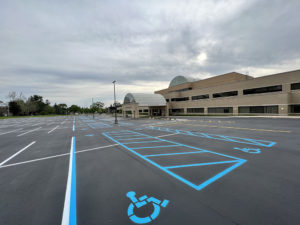
7 Parking Lot Striping Best Practices Every Property Owner Should Follow (Battle Creek, MI)

Maintaining a well-striped parking lot isn’t just about looks. It’s about safety, compliance, and making a good impression on customers or tenants. In Battle Creek, where we get everything from snow-packed winters to humid summers, keeping your lot clean, clear, and compliant requires more than a quick paint job.
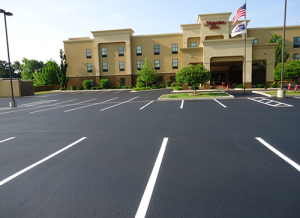
If you manage a commercial property, apartment complex, or church off Columbia Avenue, Beckley Road, or near Lakeview Square Mall, these are the seven best practices you should be following.

Key Takeaways

  • Battle Creek parking lots need flexible, traffic-grade paint that holds up through snow, salt, and freeze-thaw cycles.
  • Clean asphalt, proper prep, and dry weather are key for strong paint adhesion and long-lasting striping results.
  • ADA rules, traffic flow, and zoning codes must guide layout decisions to keep your lot safe and compliant.
  • Regular touch-ups, high-contrast lines, and clear signs help maintain visibility and safety throughout every season.

1. Choose the Right Paint for Michigan’s Freeze-Thaw Cycles

In Battle Creek, where we see serious freeze-thaw action from October through April, the type of striping paint you use makes a big difference. We always recommend using traffic-grade, waterborne acrylic paint designed to expand and contract without peeling.

Michigan’s temperature swings—especially during spring thaws—can cause cracking and flaking if your striping isn’t flexible and durable.

This is especially important in high-traffic areas near local hubs like the Battle Creek Farmers Market or the Kellogg Arena, where wear and tear is constant.

2. Prep the Asphalt Surface for Maximum Adhesion

A good parking lot striping job starts long before the paint goes down.

Here in Calhoun County, the accumulation of road salt, dust, and oil—especially after a snowy season—can prevent paint from bonding properly.

That’s why we always power clean parking lots before striping, paying close attention to entrances and exits along streets like Capital Avenue and Dickman Road. If you’re skipping this prep step, you’re essentially wasting paint and shortening the life of your striping.

3. Plan for ADA Compliance From the Start

ADA guidelines aren’t optional, and enforcement in Battle Creek has gotten stricter in recent years—especially around public facilities and medical buildings like those near Bronson Battle Creek Hospital.

When laying out striping, we ensure proper space width, signage, and van-accessible spots according to both federal law and Michigan-specific accessibility rules. Ignoring ADA compliance limits who can safely access your business.

4. Use Directional Arrows and Signage for Better Traffic Flow

One of the most common mistakes we see around places like the Minges Brook shopping centers or the downtown business district is poor traffic flow due to missing or unclear directional striping. Without arrows, stop bars, and signage, drivers can easily get confused or cause accidents—especially in busy lots.

We help clients create intuitive layouts that reduce frustration and improve safety, particularly during peak hours or community events like the Field of Flight Air Show.

5. Stripe During the Right Weather Window

Timing is everything.

In Battle Creek, we only get a few good months of dry, warm weather, typically from late May to early September. Striping when it’s too cold or damp leads to poor curing and shortens the lifespan of the lines.

We always monitor weather forecasts and schedule projects on days when the asphalt is warm and dry enough for proper adhesion—especially important if your lot is near wooded areas like Ott Biological Preserve, where early morning dew can cause unexpected delays.

6. Rethink Your Layout to Maximize Capacity and Safety

Sometimes a simple restriping job reveals bigger layout problems.

We’ve worked with businesses on Beckley Road and near Lakeview Square Mall to completely reconfigure their lots—adding more spaces, improving turning radii, and increasing pedestrian safety.

A professional eye can often spot ways to make better use of space without sacrificing flow or code compliance, which is especially valuable in older lots that were designed for smaller vehicles.

7. Maintain Visibility Year-Round With Periodic Touch-Ups

In Battle Creek, our seasonal changes can fade striping fast—especially in high-snow zones where plows scrape surfaces regularly. We recommend touch-ups every 12 to 18 months, depending on traffic volume and exposure.

Lots along busy stretches like M-66 and Michigan Avenue tend to wear down faster and may need semi-annual checks. Keeping your lines sharp isn’t just about curb appeal; it’s about keeping everyone safe in your lot, no matter the season.

How to Bring Your Battle Creek Parking Lot Striping Up to Code and Looking Sharp

Evaluate the Current Condition of Your Lot

The first thing we do is walk the entire lot to assess what’s there and what’s missing.

In older areas like Urbandale or Post Addition, it’s not uncommon to see outdated striping, faded ADA markings, or confusing layouts. Cracks, potholes, or uneven surfaces also need to be addressed before any paint goes down.

A proper evaluation helps prevent wasted time and ensures we meet state and local standards the first time.

Repair Damaged Asphalt Before Restriping

Striping over crumbling or cracked asphalt is a short-term fix that leads to long-term issues. In Battle Creek’s climate, water seeps into cracks, freezes, and makes the damage worse. Before any restriping, we repair cracks, patch potholes, and level out rough spots.

We’ve seen how fast deterioration can happen on lots near the Battle Creek River or low-lying areas that collect water, so prepping the surface is always a top priority.

Design a Layout That Aligns With Local Zoning Requirements

Every city has its own parking rules, and Battle Creek is no different. Whether your property is zoned for retail, industrial, or mixed-use, the number and size of parking spaces must meet City of Battle Creek zoning codes.

We’ve worked with property managers along Columbia Avenue and Riverside Drive to ensure their striping meets both local and state standards. This includes calculating drive aisle widths, stall dimensions, and ADA accessibility.

Schedule Your Project for Minimal Business Disruption

We understand that closing your lot—even partially—can impact business.

That’s why we work around your schedule.

For restaurants near West Columbia Avenue or retail shops along Beckley Road, we often break up jobs into sections or work overnight to avoid downtime.

Planning with clear communication makes the project smoother for everyone involved—customers, staff, and delivery vehicles.

Choose High-Contrast Colors for Visibility and Safety

In areas with a lot of shade from trees—like neighborhoods near Irving Park or Leila Arboretum—visibility is a big concern. Using high-contrast striping, like bright white or reflective yellow, helps make lines easier to see even at night or in wet weather.

This is especially important for lots that serve older residents or receive deliveries after dark. We always match the paint to the purpose of each line—safety first.

Add Clear Signage and Symbols to Reinforce Traffic Rules

Striping alone isn’t always enough. In busy lots near schools like Battle Creek Central or Kellogg Community College, clear signage helps guide both vehicles and pedestrians.

We install durable, weatherproof signs that complement striping—like “One Way,” “Stop,” and “No Parking” indicators.

Proper labeling also helps protect your business from liability in the event of an accident.

Create a Maintenance Plan to Keep Your Lot Looking New

A freshly striped lot only stays sharp if you maintain it.

We help Battle Creek property owners set up regular inspections, seasonal touch-ups, and post-winter cleanups to preserve their investment.

Especially in areas near the downtown core or flood-prone regions like Verona, a proactive maintenance plan helps extend the life of your striping and keeps your property safe and inviting year-round.

Make Your Parking Lot Safer, Smarter, and ADA-Compliant

If it’s hard to navigate or doesn’t meet local codes, it could be turning them away before they even walk through the door.

At Asphalt Solutions Plus, we specialize in parking lot striping that’s not only clean and professional-looking but also fully compliant with Michigan regulations and ADA standards. We handle everything—from surface prep and layout planning to final striping and signage—so you don’t have to worry about a thing.

Let us help you bring order, safety, and curb appeal back to your lot.

Contact us today to schedule a site evaluation or request a quote. We proudly serve all of Battle Creek, from Pennfield to Lakeview, and everywhere in between.

Frequently Asked Questions

How often should I re-stripe my parking lot if it gets low traffic?

Even in low-traffic areas, lines fade from sun, rain, and snow. We recommend restriping every two to three years to keep your lot safe, visible, and up to code.

Can you remove old or incorrect striping before repainting?

Yes, we professionally remove old or confusing lines using grinding or black-out paint to prevent overlapping marks and ensure your new layout is clean, accurate, and easy to follow.

Do you offer custom stenciling for reserved spaces or company branding?

We provide custom stencils for reserved parking, directional text, or branded markings, which help businesses manage traffic and reinforce branding in retail centers, office parks, or private lots.

Is thermoplastic striping available for longer-lasting results?

Thermoplastic striping is available for clients needing extra durability. It’s ideal for high-traffic lots and loading zones and lasts significantly longer than traditional paint in Michigan’s harsh climate.

Should You Choose Sealcoating or Full Commercial Asphalt Maintenance?

If you manage a commercial property in Battle Creek, you’re probably familiar with the toll Michigan weather takes on asphalt. Between the brutal freeze-thaw cycles in the winter and the heavy rains that hit us in the spring, asphalt surfaces around Lakeview Square Mall or off Columbia Avenue don’t stay pristine for long.
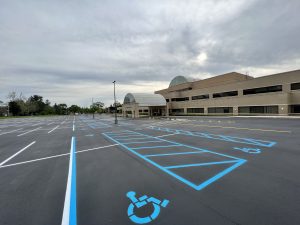
But when it comes time to maintain your lot, the big question is: do you just sealcoat, or is it time for a full commercial asphalt maintenance plan? The answer depends on your pavement’s condition, your budget, and how long you want your lot to last.

Let’s break it down.

Key Takeaways

  • The right choice between sealcoating and full maintenance depends on your lot’s condition, age, and traffic levels.
  • Full commercial maintenance is needed when your asphalt has cracking, drainage problems, base failure, or long-term neglect.
  • Sealcoating works well for newer lots in good condition, especially in low-traffic areas with no structural issues.
  • A local assessment in Battle Creek helps you avoid mistakes and choose the service that actually fits your lot.

When Full Commercial Asphalt Maintenance Is the Smarter Choice

If your lot is showing signs of more than surface-level wear, a simple sealcoat won’t cut it. Here are specific situations where investing in a full maintenance plan makes far more sense for commercial properties in Battle Creek.

Cracking Caused by Harsh Winter Freeze-Thaw Cycles

In Battle Creek, we see some of the most punishing freeze-thaw cycles in Calhoun County. Asphalt that’s not properly maintained develops surface cracks, which let water in.

That water freezes, expands, and makes things worse.

If your lot has widespread cracking—especially alligator cracking near entrances or in high-traffic lanes like those near Minges Creek Plaza—a full repair, not just a surface seal, is needed to prevent structural damage.

Frequent Pooling or Drainage Issues After Rainfall

Properties near the Kalamazoo River or in lower-lying areas like Riverside Drive often struggle with water pooling after a storm. If your parking lot holds water after every rainfall, it’s likely a grading, base, or sub-base issue—not something a layer of sealant will fix.

Commercial asphalt maintenance in this case may include regrading or milling to restore proper drainage and extend the life of the pavement.

Faded, Worn, or Patchy Striping Due to High Traffic Volume

If your lot sees steady traffic—like restaurants near West Columbia Avenue or retail stores close to Capital Avenue—striping and markings wear down faster.

This impacts both safety and ADA compliance.

Full commercial maintenance includes resurfacing, re-striping, and sometimes layout changes to improve traffic flow. Just sealcoating without addressing layout or wear won’t solve visibility or legal issues.

Areas of the Lot Are Sinking or Feel Soft Underfoot

If parts of your lot feel soft or appear to be sinking—especially near catch basins or where trucks regularly park—that’s a sign of base failure. We’ve seen this happen a lot in older commercial lots near Fort Custer Industrial Park.

Sealcoating over a failing base is like painting over rust.

You need a comprehensive maintenance plan that includes excavation, base repair, and repaving to prevent long-term issues.

Past Due on Maintenance for Over Five Years

Asphalt that hasn’t been touched in over five years is rarely a candidate for sealcoating alone. In Battle Creek, where salt and snowplows wreak havoc every winter, letting maintenance lapse too long allows damage to compound.

At that point, surface sealing won’t bring back the integrity or smoothness of your pavement.

A full maintenance plan can restore both appearance and performance—and often saves money in the long run.

When Sealcoating May Be Enough to Protect Your Lot

Sealcoating is a great preventive measure when used at the right time. Here’s when that approach makes sense in Battle Creek.

Recently Paved Lots That Need Routine Protection

If you’ve had your lot paved within the last 1–3 years—like some of the newer developments near Harper Village—then sealcoating is ideal for keeping it protected.

The asphalt is still in great shape structurally, and a sealcoat helps block UV rays, moisture, and vehicle fluids from degrading the surface prematurely.

Minor Surface Wear From Sunlight and Oxidation

Asphalt turns from black to gray over time due to oxidation. This is especially common in open lots with no shade, like those on the outskirts of the city near the Battle Creek Executive Airport.

If the surface is just faded but not cracked or damaged, a fresh sealcoat can restore the dark finish and slow further aging without the need for costly repairs.

Preventive Maintenance on Well-Drained, Low-Traffic Lots

For low-traffic lots—think small professional offices or churches around Territorial Road—sealcoating is often enough to maintain appearance and durability.

These lots don’t face the stress of heavy traffic, and if the pavement was properly installed and drains well, a simple sealcoat every few years can be all that’s needed.

Regularly Maintained Lots With No Structural Issues

If you’ve kept up with annual inspections, minor crack sealing, and routine care, sealcoating serves as a final protective layer.

We’ve worked with many local schools and nonprofits in the Lakeview area that do just this—using sealcoating as part of a regular, proactive maintenance plan that keeps their asphalt in excellent condition year after year.

Not Sure Which Option Is Right for Your Property?

Choosing between sealcoating and full commercial maintenance isn’t always obvious. The right call depends on your pavement’s age, traffic volume, underlying conditions, and drainage—factors that vary widely across Battle Creek.

That’s why a professional assessment is so important.

At Asphalt Solutions Plus, we help businesses across Battle Creek—from the downtown corridor to the Fort Custer area—make smart, long-term decisions about their pavement. Whether you need full resurfacing, patch repairs, or just a sealcoating schedule, we’ll guide you through the best approach for your property’s needs and budget.

Schedule a free assessment today, and we’ll walk your site, explain what’s really going on beneath the surface, and give you honest recommendations with no pressure.

Frequently Asked Questions

How long does commercial asphalt maintenance usually take to complete?

Most projects take one to three days, depending on the lot size and repairs. We schedule work to avoid business interruptions whenever possible and complete the job efficiently with minimal disruption.

Can sealcoating be done in the colder months around Battle Creek?

Sealcoating must be done in warmer months, typically May through early October, when temperatures stay above 50°F. We monitor forecasts closely and schedule projects during ideal weather windows for the best results.

Will traffic or operations at my business be affected during asphalt work?

We work in sections and offer after-hours or weekend scheduling to reduce impact. Businesses in busy areas benefit from our traffic control planning, keeping customers and deliveries moving during the project.

What kind of surface prep is needed before asphalt maintenance starts?

Every job begins with power cleaning, oil spot treatment, and edge detailing. Proper surface prep ensures strong bonding and durability, and it’s included in all our commercial maintenance and sealcoating services.

What to Do Immediately After Your Parking Lot Repair Is Completed

When the fresh layer of asphalt is down and your parking lot repair is finally complete, it’s easy to think the job is over. But in Battle Creek, MI—where seasonal shifts, heavy traffic from nearby I-94, and freeze-thaw cycles can wreak havoc on pavement—it’s the steps you take right after the repair that make the biggest difference in how long your investment lasts.
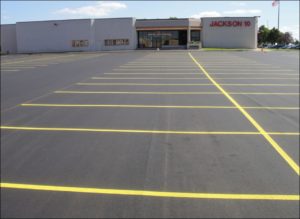
At Asphalt Solutions Plus, we’ve seen too many businesses on Columbia Avenue or around Lakeview Square Mall skip this crucial post-repair phase and end up calling us again sooner than they should.

A well-maintained asphalt surface should hold up for years—if you follow the right steps immediately after the work is done.

Key Takeaways

  • Battle Creek parking lots last longer when owners follow important aftercare steps immediately after repair in local conditions.
  • A waiting period of 24 to 48 hours keeps new asphalt safe from early damage and surface marks.
  • Proper traffic guidance, delayed striping, leak prevention, debris removal, and drainage checks help protect fresh asphalt from harm.
  • Asphalt Solutions Plus provides ongoing maintenance in Battle Creek to keep repaired parking lots strong, clean, and looking new.

Keep All Vehicles and Foot Traffic off the New Asphalt for at Least 24 to 48 Hours

The first thing to know is that your new asphalt needs time to cure.

Even though it may look ready, parking or walking on it too soon can leave permanent scuff marks, dents, or imprints. In a city like Battle Creek, where weekend traffic can pick up quickly near Kellogg Arena or Full Blast, it’s tempting to reopen your lot as soon as possible.

But letting it set undisturbed—even a full 48 hours if temperatures are especially hot—helps the surface harden properly and prevents damage before it’s even fully settled.

Use Temporary Barriers or Cones to Guide Traffic and Prevent Early Wear

Once you’re ready to reopen the lot, it’s smart to guide customers and delivery drivers with cones or temporary signage. This is especially helpful for local Battle Creek businesses near Capital Avenue or W. Michigan Avenue, where traffic patterns can be unpredictable.

Without clear direction, vehicles may take sharp turns, accelerate, or brake in ways that stress the new pavement. Guiding traffic helps spread out the wear evenly and keeps heavy vehicles off weak spots until the asphalt fully stabilizes.

Schedule Striping and Signage Installation Only After the Surface Has Cured

In Battle Creek, timing is everything when it comes to restriping. The fresh asphalt must cool and cure before any paint or thermoplastic can adhere properly.

If you’re located near schools like Lakeview High School or shopping areas such as Minges Creek Plaza, you’ll want crisp, high-visibility lines to keep traffic flowing smoothly. Jumping the gun on painting can lead to peeling or fading, requiring early repainting.

Waiting even just a few days can make all the difference in longevity and appearance.

Watch for Oil or Fluid Leaks From Parked Vehicles

One of the most overlooked threats to a new parking lot is vehicle fluids.

Leaks from engine oil, transmission fluid, or antifreeze can soften and break down new asphalt quickly—especially in warmer months when surfaces heat up. In Battle Creek, where a lot of folks drive older vehicles during winter and park them through summer, these leaks are more common than you’d think.

Placing drip pans or asking employees to monitor their parking spots can save you from premature surface damage and costly patch jobs down the road.

Sweep Debris Regularly, Especially After Wind or Rain Events

Battle Creek weather can be unpredictable—one day it’s sunny, the next you’re dealing with a windstorm or heavy downpour. When branches, leaves, or gravel collect on your freshly repaired lot, they trap moisture and create early wear patterns.

This is particularly important near wooded areas like Leila Arboretum or residential neighborhoods such as Urbandale, where debris tends to blow in.

A quick sweep after any storm helps keep your lot clean, safe, and looking new.

Monitor Drainage Patterns to Ensure Water Is Flowing Away Properly

Water is one of the biggest enemies of asphalt in Michigan. Even after a quality repair, improper drainage can lead to standing water, which weakens the surface and accelerates cracking during winter freeze-thaw cycles.

After your parking lot is repaired, take time to observe how water flows—especially after rainstorms.

For properties near Goguac Lake or areas with sloped terrain, it’s essential to confirm that water runs toward storm drains or grassy areas, not puddles in low spots. If drainage is off, reach out early so we can adjust grading or install a solution before winter hits.

Protect Your Investment with Smart Aftercare

You’ve already made the smart move by repairing your parking lot—now make sure it lasts.

At Asphalt Solutions Plus, we know how quickly Battle Creek’s climate, traffic, and terrain can wear down even a fresh surface if you don’t act quickly and intentionally after the work is done.

If you’re unsure how to maintain your newly repaired lot, or you want help monitoring drainage or scheduling striping, we’ve got your back. We specialize in post-repair maintenance that keeps your pavement looking professional and performing well year-round.

Ready to keep your parking lot in top shape?

Call us today to schedule a maintenance check or request a quote for ongoing service.

Frequently Asked Questions

How often should a repaired parking lot in Battle Creek be sealcoated?

Sealcoating every two to three years protects asphalt from Michigan’s freeze-thaw cycles and road salt. At Asphalt Solutions Plus, we create customized sealcoating schedules based on traffic levels and surrounding conditions in Battle Creek.

Can parking lot repairs be done during winter in Battle Creek?

Winter repairs are possible but often temporary because cold weather slows asphalt curing. Asphalt Solutions Plus provides cold patch solutions in Battle Creek for emergencies until permanent hot mix repairs are completed in warmer seasons.

What type of maintenance program is best for a commercial parking lot?

The most effective program includes seasonal inspections, immediate crack filling, and drainage adjustments. Asphalt Solutions Plus offers maintenance plans in Battle Creek that extend asphalt life and prevent expensive repairs for commercial properties.

How can I reduce damage from heavy delivery trucks on my repaired lot?

Directing truck routes and reinforcing loading zones protect asphalt from heavy loads. Asphalt Solutions Plus designs Battle Creek parking lot layouts that handle frequent truck traffic while maintaining surface strength and safety for daily use.

What Happens If You Skip Commercial Asphalt Maintenance for 2+ Years in Battle Creek?

If you’ve put off commercial asphalt maintenance in Battle Creek for a couple of years, you’re not alone—but you’re likely seeing the consequences. From the downtown corridors near Michigan Avenue to the high-traffic lots along Columbia Avenue, we see firsthand how neglected pavement quickly goes from “a little worn” to “seriously damaged.”
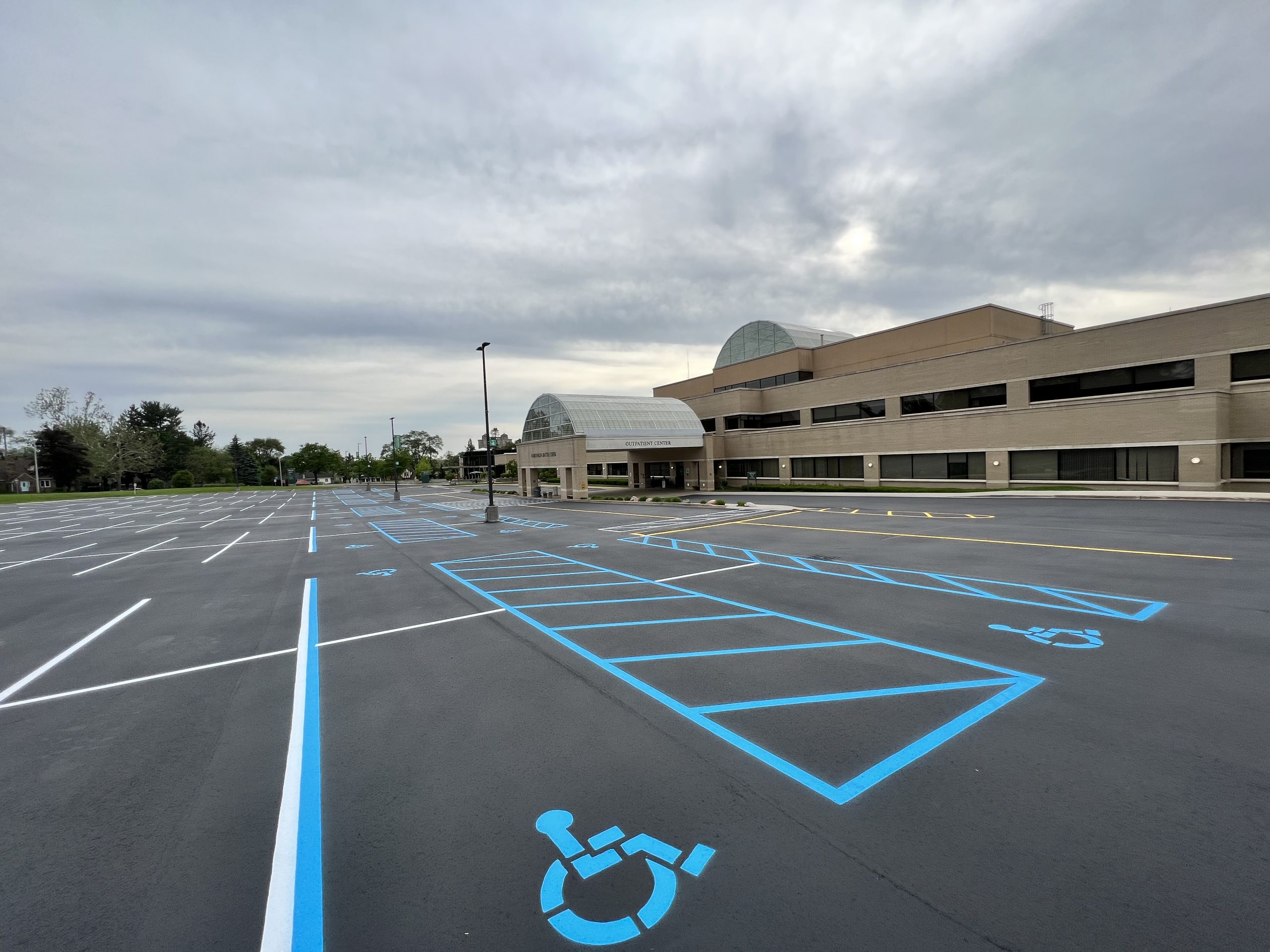

Let’s break down exactly what happens when maintenance falls by the wayside for two years or more—and what steps you can take next to get your pavement back in shape.

Key Takeaways

  • Cracks, potholes, and surface damage show up fast when commercial asphalt goes unmaintained for two or more years.
  • Battle Creek winters, heavy traffic, and poor drainage make neglected pavement wear out much faster than expected.
  • Property owners should walk their lot, watch how water drains, and talk with staff to spot early problems.
  • Timely repairs and basic upkeep cost less than full reconstruction and help your lot stay safe and professional.

Surface Cracks Multiply and Deepen

After two years without sealcoating or crack repairs, even the smallest hairline cracks begin to widen and multiply.

In Battle Creek, where snow and ice linger from November into April, water seeps into these cracks, freezes, and expands, causing even more damage. We see this all the time in lots around Lakeview Square Mall and the commercial centers on Beckley Road.

Once surface cracks deepen, they invite even more moisture and debris in, accelerating the breakdown of your pavement’s foundation.

Potholes Form and Spread Fast

Once cracks are left unchecked through a couple of Michigan winters, it’s just a matter of time before potholes start popping up. And in a commercial lot, it doesn’t take long for one small pothole to become several.

Businesses along Capital Avenue and in the Fort Custer Industrial Park often deal with this after skipping pavement maintenance, especially when delivery trucks and snowplows hit weakened spots repeatedly.

Potholes don’t just look bad—they create trip hazards and potential liability issues for your tenants, employees, or customers.

Drainage Problems Get Worse

Without regular upkeep, your asphalt’s surface starts to lose its proper slope and grading.

That means water doesn’t drain the way it should.

In Battle Creek’s low-lying areas—like near the Kalamazoo River or along Dickman Road—standing water becomes a serious issue. Pooling water accelerates pavement erosion, encourages algae and moss growth, and increases the risk of icy spots in winter.

Drainage issues can also creep into surrounding landscaping, causing even more property headaches.

Faded Striping Reduces Safety and Curb Appeal

After two years without re-striping, even well-planned parking lots become confusing to navigate. We’ve worked on properties near Kellogg Community College and the Battle Creek Executive Airport, where directional arrows, ADA markings, and parking stalls have faded to the point of being barely visible.

This reduces efficiency, creates liability concerns, and sends the wrong message to clients and visitors about your business’s upkeep standards.

Weeds and Vegetation Take Over the Cracks

As cracks expand and fill with debris, seeds and dirt settle in—and weeds follow.

We’ve seen this take over entire edges of lots along M-66 and West Columbia, where the curb lines and joint cracks have gone years without maintenance.

What starts as a few dandelions quickly turns into thick vegetation that eats away at the asphalt and gives your property an abandoned look. Plus, weed roots worsen cracking, especially when they take hold in the base layer of the pavement.

Subsurface Damage Begins to Undermine the Base

The longer water and plant matter are allowed to enter your asphalt, the more damage occurs below the surface. In areas with high truck traffic—like near the I-94 Business Loop or in the Fort Custer area—this can mean base failure.

Once the sub-base is compromised, no surface repair can fully fix the problem without reconstruction. That’s where deferred maintenance really starts to get expensive, with full-depth patching or milling often required.

What to Do if You’ve Skipped Commercial Asphalt Maintenance for Over 2 Years in Battle Creek

If your pavement hasn’t seen attention in years, don’t panic—but don’t ignore it either. Here are practical steps you can take as a property owner or facility manager to start turning things around.

Walk the Entire Lot and Document Problem Areas

Start with a thorough visual inspection of your lot.

  • Walk it on foot, especially around drain inlets, curb lines, and high-traffic areas like loading zones or building entrances.
  • Take photos of cracks, potholes, pooling water, and faded pavement markings.
  • Make notes of any areas where the pavement feels soft underfoot—that’s often a sign of base failure.

In neighborhoods like Urbandale or Post Franklin, lots with mixed-use traffic need particular attention in corner areas where pavement stress concentrates.

Check How Drainage Is Performing After a Rain

After a moderate rain, walk your property again and observe where water is collecting.

Look near catch basins, curbs, and in the center of large lots. In Battle Creek’s clay-heavy soil zones, like those near Bailey Park, poor drainage can become a hidden enemy that eats away at your pavement from underneath.

Make a note of persistent puddles or flow issues—these often indicate areas that need regrading or improved slope.

Ask Your Team About Recurring Complaints or Incidents

If you manage a commercial or multi-tenant property in Battle Creek—say, near Lakeview or Goguac Lake—it’s worth checking with your on-site staff about any recurring complaints from tenants or customers.

  • Have there been complaints about uneven surfaces, standing water, or near-miss accidents?
  • Any frequent issues with delivery trucks navigating the lot?

This kind of anecdotal information helps prioritize repairs based on real-world use.

Prioritize Repairs by Safety, Then Appearance

Once you have a full view of the damage, prioritize asphalt repairs based on what presents the highest safety risk. Deep potholes, loose asphalt chunks, or major drainage issues should come first.

In Battle Creek, we often recommend fixing trip hazards and drainage problems before worrying about cosmetic upgrades like sealcoating or striping.

That said, improving visual appeal is still important, especially if your business depends on foot traffic or first impressions.

Protect Your Investment Before It Costs You More

At Asphalt Solutions Plus, we specialize in helping local businesses turn neglected lots around—whether you’re off Helmer Road, near downtown, or out by Harper Village. Our team offers honest assessments, practical repair plans, and expert maintenance designed to stretch your pavement’s life and keep your property safe and appealing.

Don’t wait until you’re forced to repave.

Reach out today to schedule a site evaluation, and let’s make a plan to restore your commercial lot the right way.

Frequently Asked Questions

How often should commercial asphalt be inspected in Battle Creek’s climate?

Inspections should happen at least twice a year—once after winter and again in fall—to spot early signs of damage, drainage problems, or fading paint before they become more expensive to fix.

Can heavy snow plowing damage commercial asphalt over time?

Yes, especially when cracks or weak edges are present. The weight and scraping from plows can loosen asphalt, chip surface layers, and push moisture into the base, making springtime damage much worse.

Are commercial properties in Battle Creek required to meet specific pavement safety standards?

Yes, local code requires marked ADA spaces, smooth walkways, and safe parking conditions. Properties that don’t meet these standards risk citations, complaints, and possible legal or insurance complications.

Is asphalt maintenance for a commercial lot considered a tax-deductible business expense?

Yes, in most cases. Routine asphalt repairs and maintenance usually qualify as deductible operating costs, but always confirm with a tax professional based on your business structure and filing method.

How Do You Plan a Budget-Friendly Commercial Paving Project in Battle Creek?

Planning a commercial paving project in Battle Creek doesn’t have to drain your budget, but it does require strategy. Whether you’re resurfacing a parking lot along West Columbia Avenue or laying fresh asphalt at a business park near Riverside Drive, the key is balancing long-term durability with upfront costs.

That’s why a smart paving plan should reflect both local conditions and your bottom line. Let’s break down exactly how you can approach a budget-friendly paving project in Battle Creek without cutting corners.

Key Takeaways

  • A paving project in Battle Creek needs a soil check because moisture and clay often cause shifting and damage.
  • High-traffic areas wear out faster, so focusing repairs there first can make your budget go further.
  • Summer offers the best weather for asphalt work in Battle Creek and helps avoid delays or poor curing.
  • A clear proposal, local experience, and regular maintenance keep costs low and pavement strong for the long run.

Assess Site Conditions Specific to Battle Creek’s Soil and Weather

Before even thinking about materials or estimates, it’s essential to evaluate your site’s condition, especially in Battle Creek, where clay-heavy soil and seasonal freeze-thaw cycles can wreak havoc on pavement stability.

Areas like Lakeview and Post Addition often experience surface shifting due to moisture retention in the soil. A proper geotechnical assessment can help you understand if sub-base reinforcement is needed.

Skipping this step may save money upfront, but will likely lead to costly asphalt repairs later due to potholing and cracking from underground movement.

Prioritize the Most Impacted Areas First

Not every section of your lot may need the same level of attention.

In many commercial areas like the Minges Brook Mall or around Capital Avenue SW, the high-traffic zones (loading docks, main entrances, or drive lanes) degrade faster than overflow parking or employee-only access areas.

Focus your budget on repaving these high-use zones with thicker asphalt layers, while lower-priority areas might benefit from sealcoating or minor patching. This tiered approach helps stretch your budget without sacrificing quality where it matters most.

Choose Materials Suited for Southwest Michigan’s Climate

Battle Creek’s asphalt paving needs differ from those in warmer or drier parts of the country. The constant cycle of freezing and thawing during the winter—especially around January and February—can cause traditional asphalt to crack prematurely.

Using asphalt mixes with polymer additives or base courses that tolerate moisture better can help extend the lifespan of your pavement.

In areas like Verona or Urbandale, where drainage can be a problem, choosing porous asphalt may help reduce water pooling and long-term damage, ultimately saving you money on future maintenance.

Schedule Work During Battle Creek’s Optimal Paving Season

Timing your project right is another critical way to stay on budget. Asphalt work in Battle Creek should ideally be done between late spring and early fall, when the weather is dry and warm enough for proper curing.

Planning ahead for a summer installation—say, around the time of the Field of Flight Air Show & Balloon Festival—can also help you lock in better pricing before contractors get booked up.

Avoid last-minute scheduling in October when temps start dropping, as cold weather can lead to rushed work or delays, both of which cost you more.

Get Local Permits and Follow Calhoun County Regulations

Budget overruns often come from overlooked red tape. Battle Creek has specific permitting rules for commercial paving, especially if you’re working near public sidewalks or altering stormwater flow.

Whether your project is in downtown Battle Creek or along Helmer Road near W.K. Kellogg Airport, be sure to check with the City of Battle Creek Engineering Division.

Permit delays or code violations can stop your project mid-stream and lead to expensive rework, so loop in a paving contractor who understands local requirements from the start.

Know What You’re Paying For—and Who You’re Hiring

In Battle Creek, choosing a contractor based on price alone often leads to problems down the line. We’ve seen it happen near Beckley Road and Fort Custer—cheap bids that skip proper base prep or drainage work, leaving you with cracks and pooling within a year.

Instead of chasing quotes, work with someone who knows the local conditions and is clear about what’s included. Ask if the proposal covers essentials like grading, striping, and sealing.

A detailed, transparent scope saves you from surprise costs and ensures the job gets done right the first time.

Plan for Long-Term Maintenance, Not Just Initial Cost

A paving job isn’t done when the asphalt is laid. Especially in areas near Goguac Lake or Kellogg Community College, where water and tree root intrusion can be issues, building a maintenance plan into your budget will save you money over time.

Sealcoating every few years and addressing cracks quickly prevents minor issues from turning into expensive replacements.

Investing in upkeep means your paved surface will last longer, keeping your total cost per year significantly lower.

Stretch Your Paving Budget Without Sacrificing Quality

Planning a commercial paving project in Battle Creek can be challenging, especially when you’re working within a strict budget. But the right strategy makes all the difference.

At Asphalt Solutions Plus, we help businesses across Battle Creek—from Westlake to Springfield—get high-quality asphalt paving that lasts through Michigan winters without breaking the bank. Whether you need resurfacing, new construction, or ongoing maintenance, our team understands the local soil, climate, and permitting landscape inside and out.

Want a smart, cost-effective paving solution for your commercial property?

Contact us today to schedule a free site evaluation and customized quote. Let’s build a plan that saves you money now and keeps your lot looking great for years to come.

How Do You Handle Emergency Commercial Asphalt Repair in Battle Creek?

When pavement fails without warning, every hour counts.

When a pothole opens overnight on Columbia Avenue or a sinkhole threatens your loading zone near Minges Brook Office Park, fast action is non-negotiable. In Battle Creek, emergency commercial asphalt repair isn’t just about filling holes—it’s about keeping customers safe, operations running, and your liability low.

So, when your asphalt gives out at the worst time, how do you respond?

These five critical steps will save you time, money, and future headaches.

Key Takeaways

  • Pavement in Battle Creek breaks fast after snowmelt or rain, especially near drainage zones and low-lying areas.
  • Damaged asphalt needs to be roped off or signed immediately to keep people safe and avoid legal trouble.
  • Local contractors know how to handle Battle Creek’s freeze-thaw damage and respond faster than out-of-town crews.
  • Repair methods vary depending on traffic load and damage depth, with cold patches for quick fixes and full-depth for trucks.
  • Sealcoating and crack filling every few years help prevent new emergencies, especially near high-moisture spots like the river.

Recognize the Signs of a Commercial Asphalt Emergency

In Battle Creek’s freeze-thaw climate, pavement can deteriorate rapidly—especially in early spring when melting snow and rain saturate the ground. Watch out for:

  • Potholes appearing after storms or heavy snowmelt
  • Cracking or buckling near drainage areas (especially near Kellogg Arena lots)
  • Partial collapses caused by base failure or erosion

If you’re near Goguac Lake or low-lying spots like Verona, excess moisture can make these issues even worse.

The bottom line: don’t wait.

A delay of even a day can lead to bigger damage and higher repair costs. Catching early damage sets the stage for a faster, safer response before the issue spirals out of control.

Secure the Area to Minimize Liability

Once damage is identified, the next step is to keep people, vehicles, and your business safe.

This is especially critical in high-traffic areas like drive-thrus off Capital Avenue or busy loading docks near I-94, where constant movement leaves no room for surface hazards.

Don’t wait—take immediate action:

  • Cone off or rope off damaged sections to restrict access
  • Post clear warning signs for both drivers and pedestrians
  • Reroute traffic around the hazard if necessary, even temporarily

In fast-moving environments, even a small pothole or surface break can cause injury, vehicle damage, or business disruption. Liability claims can escalate quickly if someone gets hurt or if property is damaged due to unmarked hazards.

Once the area is made safe, you can focus on getting the right team on-site without added stress.

Contact a Local Expert Who Knows Battle Creek Asphalt

Local knowledge matters. With Battle Creek’s unpredictable freeze-thaw cycles and the wear from winter plows, your pavement needs repairs that are both fast and durable.

A commercial asphalt contractor familiar with Calhoun County can:

  • Respond quickly—often within 24 hours
  • Diagnose your pavement’s base failure that often goes undetected in high-moisture zones like Lakeview or Post Addition
  • Use repair methods suited for Michigan’s fluctuating temperatures
  • Help you plan long-term fixes like resurfacing or base reconstruction

Skip the general handyman—this is a job for specialists who know commercial pavement inside and out. With the right contractor on board, the next step is choosing a repair method that truly fits the damage.

Choose the Right Repair Method for the Damage

Once on site, your contractor will recommend the best fix based on severity and site conditions:

  • Cold patching – A quick, temporary fix for immediate safety
  • Infrared patching – A semi-permanent solution that fuses new and existing asphalt
  • Full-depth repair – Required when damage extends into the base layer, common near loading docks or freight zones

For example, businesses along Dickman Road with heavy truck traffic often need deeper reinforcement than lighter-use areas like church parking lots near Riverside Elementary.

Matching the method to the traffic load is key.

After the repair is completed, don’t stop there—ongoing maintenance is what ensures the fix lasts.

Plan Follow-Up Maintenance to Prevent Repeat Emergencies

Emergency repairs stop the immediate risk, but prevention keeps it from happening again. For long-term durability, schedule:

  • Sealcoating every 2–3 years to block moisture intrusion
  • Crack repairs in fall before freeze-thaw cycles begin
  • Annual inspections, especially after winter or heavy rains

This is particularly important near the Kalamazoo River, where higher moisture levels put pavement at ongoing risk.

Staying proactive with upkeep helps you avoid future emergencies and protects your pavement investment year-round.

Don’t Let Pavement Damage Shut You Down

Emergencies literally don’t wait—and neither should you. Whether you’re dealing with a pothole on Michigan Avenue or cracked asphalt at a warehouse near Fort Custer, fast, expert repair makes all the difference.

At Asphalt Solutions Plus, we specialize in rapid-response commercial asphalt repair throughout Battle Creek. We understand the local climate, traffic demands, and soil conditions—and we’re equipped to handle everything from cold patches to full-depth fixes.

Serving neighborhoods like Lakeview, Urbandale, and Springfield, we help businesses recover quickly and prevent future problems.

Contact us today to schedule emergency service or request a same-day quote.

How Do Tree Roots Lead to Unexpected Parking Lot Repair in Battle Creek?

If you’ve ever pulled into a parking lot near Lakeview Square Mall or outside your favorite restaurant on Capital Avenue and noticed cracks, bumps, or raised sections in the pavement, tree roots might be the hidden culprit.

In Battle Creek, where mature trees line many streets and businesses value a green, welcoming exterior, these roots often cause more damage than you’d expect.

Parking lot damage from tree roots isn’t just a cosmetic issue—it can lead to serious safety concerns, liability risks, and expensive repairs. Let’s break down how this happens and what property owners in Battle Creek can do to prevent it.

Key Takeaways

  • Tree roots under Battle Creek parking lots crack and lift pavement as they chase moisture and displace soil.
  • Raised asphalt, pooling water, and spiderweb cracks near mature trees often mean roots are causing hidden damage.
  • Repairs start with root mapping and safe cutting to protect nearby trees before rebuilding the lot’s foundation.
  • Fresh asphalt and optional root barriers help prevent repeat damage in high-traffic spots like Columbia Avenue.
  • Regular inspections and smart tree planning keep root issues from turning into major repair bills down the line.

How Tree Roots Create Parking Lot Problems in Battle Creek

Battle Creek is known for its lush tree-lined neighborhoods like Urbandale and Minges Brook. While the canopy adds beauty and shade, it also means tree roots are everywhere—sometimes just beneath the pavement.

Michigan’s climate, with its freeze-thaw cycles and rich, loamy soil, encourages root growth in all directions.

Here’s why that’s a problem:

  • Tree roots naturally seek moisture, and they often find it under pavement where condensation builds.
  • As they grow, they displace soil and create pressure against the asphalt.
  • Over time, this causes cracking, heaving, and surface distortion, especially in older lots or areas with shallow pavement bases.

In areas like downtown Battle Creek or near Kellogg Community College, where parking spaces are in high demand, this can lead to vehicle damage or tripping hazards—costing business owners in both repairs and reputation.

How to Spot Root Damage in Your Battle Creek Lot

Not sure if tree roots are behind your parking lot issues? Watch for these common red flags:

  • Raised or uneven pavement, especially near mature trees
  • Spiderweb or alligator cracks that keep growing
  • Drainage problems or pooling water in warped areas
  • Frequent patching that doesn’t seem to hold up
  • Roots pushing through the surface, often visible along curbs or planter beds

If you’ve noticed any of these issues outside your Battle Creek business—maybe near Riverside Drive or by Bailey Park—it’s time to consider a professional evaluation.

How Tree Root Damage Is Repaired

Fixing root-related asphalt damage isn’t as simple as throwing down a patch. At Asphalt Solutions Plus, we often see cases around Emmett Township where we often see cases around Emmett Township where short-term fixes just don’t cut it.

Here’s how we approach long-term, root-related parking lot repairs in Battle Creek:

1. Root Identification and Mapping

Before we touch the asphalt, we locate the root systems beneath the surface. This usually involves careful inspection and sometimes ground-penetrating tools. In mature areas like Post Addition or near Historic Adventist Village, the roots can run surprisingly deep and wide.

2. Selective Tree Root Removal

We work with local arborists to safely cut and remove problem roots without compromising tree health—especially for valued city trees near places like Leila Arboretum or Willard Library. Proper pruning helps prevent further growth toward the lot without killing the tree.

3. Excavation and Base Repair

Once the roots are removed, we excavate the damaged area and rebuild the base layer using compacted gravel to ensure stability. This is essential in places like Verona, where soil movement and moisture retention can create soft spots.

4. Asphalt Replacement

We pour fresh, hot-mix asphalt and compact it to match the surrounding surface. In high-traffic zones like Columbia Avenue or near Battle Creek Central High School, we may recommend reinforced materials to withstand heavier loads.

5. Root Barrier Installation (Optional)

To prevent roots from growing back under the new pavement, we can install root barriers. These are especially helpful near landscaped medians or in lots with large perimeter trees—think Beckley Road retail centers or Marshall Street office parks.

Can Tree Damage Be Prevented in Battle Creek Parking Lots?

Absolutely. Regular maintenance and smart planning can save you a lot of money down the road. Here’s how to stay ahead of root-related parking lot damage:

  • Choose the right tree species when planting near pavement. Some trees have less aggressive root systems.
  • Install root barriers during initial lot construction or resurfacing.
  • Inspect parking lots seasonally, especially in spring and fall when soil movement is most active.
  • Address drainage issues early, since roots will chase water into compromised areas.
  • Hire professionals for lot inspections—particularly after harsh Michigan winters, which often cause cracking that lets roots in.

If you own a business near the Battle Creek Farmers Market or in the Fort Custer Industrial Park, staying proactive can prevent disruptions for both your customers and your bottom line.

Don’t Let Tree Roots Ruin Your Lot – Get Ahead of the Problem

Are you starting to see buckling asphalt or strange cracks in your parking lot? Left unchecked, the damage will only spread, leading to costly repairs and safety hazards for your visitors or tenants. Let us help you catch the problem early and fix it right.

At Asphalt Solutions Plus, we specialize in diagnosing and repairing parking lot damage caused by tree roots all across Battle Creek—from the neighborhoods around Minges Hills to busy business corridors along Dickman Road. We offer full-service parking lot repair, root barrier installation, and long-term maintenance plans tailored to our Michigan climate.

Schedule an evaluation today and let’s stop those roots in their tracks—before they grow into a bigger problem.

6 Surprising Ways Timely Commercial Asphalt Repairs Keep Your Customers Safe This March in Battle Creek

As March rolls into Battle Creek, MI, businesses start preparing for warmer weather, increased foot traffic, and the wear and tear left behind by winter.

If your commercial parking lot or driveway has developed cracks, potholes, or uneven surfaces, delaying repairs can create serious safety risks for customers and employees.

Fortunately, timely asphalt repairs can do more than just improve the look of your property—they also play a crucial role in accident prevention.

Here are six surprising ways proactive asphalt maintenance this March can help keep your customers safe while protecting your business from liability!

Key Takeaways

  • March weather in Battle Creek leads to wet and icy parking lot conditions, increasing the risk of slip-and-fall accidents.
  • Potholes and uneven pavement can damage vehicles, making customers less likely to return to your business.
  • Fresh asphalt repairs improve nighttime visibility, preventing accidents in dimly lit commercial parking lots.
  • Timely maintenance prevents pothole growth and protects businesses from costly liability claims and lost customers.
  • Proper asphalt upkeep enhances ADA compliance, ensuring accessibility for all customers, including those with mobility aids or disabilities.

6 Ways March Asphalt Repairs Keep Customers Safe in Battle Creek

With unpredictable March weather in Battle Creek, damaged asphalt can create serious safety risks for customers and employees. Let’s explore six key reasons why timely commercial asphalt repairs can help prevent accidents.

1. Prevents Slips and Falls on Icy or Wet Surfaces

March in Battle Creek means unpredictable weather. Don’t get too happy when it’s sunny and mild, because there’s a surprise snow or ice storm that comes soon after.

Cracks and potholes can trap water, which later freezes and turns into hazardous patches of ice. Customers walking into your business—whether it’s at Lakeview Square Mall, along Capital Avenue SW, or in the downtown shopping district—risk slipping and getting injured.

By repairing asphalt damage before temperatures fluctuate, you reduce the likelihood of dangerous ice formation, keeping walkways and parking lots safer for visitors.

2. Reduces the Risk of Pothole-Related Vehicle Damage

Potholes aren’t just an eyesore—they’re a major risk for vehicles entering and exiting your property. Uneven pavement and deep holes can cause tire blowouts, misalignments, or even suspension damage.

Hitting a pothole in a parking lot can damage tires, misalign wheels, or even impact a vehicle’s suspension. Poor pavement conditions put customers’ vehicles at risk and may lead to costly repairs or liability claims.

Timely asphalt patching helps smooth out your lot, reducing the risk of damage to customers’ vehicles while improving the overall experience of visiting your business.

3. Prevents Pedestrian Tripping Hazards

Have you ever stumbled over uneven pavement while walking into a business?

Cracked and crumbling asphalt creates a significant tripping hazard that can lead to serious injuries. Whether your business is located near Kellogg Community College or along West Columbia Avenue, uneven pavement can lead to serious injuries.

A simple trip-and-fall accident could result in medical expenses, legal action, or even a damaged reputation.

Fixing cracks and leveling uneven surfaces before the busy spring season helps protect pedestrians and shows customers that you prioritize their safety.

4. Improves Nighttime Visibility and Navigation

Asphalt damage isn’t always easy to see at night, especially in areas with poor lighting.

Customers visiting your business in the evening—whether for dinner near Beckley Road or a late-night stop at a 24-hour convenience store—need clear, safe paths to navigate. Cracked or broken pavement can be hard to spot in low-light conditions, increasing the risk of accidents.

A fresh asphalt repair, combined with well-maintained striping and signage, enhances visibility and helps guide both drivers and pedestrians safely through your parking lot.

5. Protects Against Unexpected Spring Rain Hazards

March marks the beginning of Michigan’s rainy season, and pooling water on damaged asphalt creates a safety hazard. Potholes and depressions collect water, leading to slippery surfaces and hydroplaning risks for vehicles.

If your parking lot or entryway is near a busy shopping center like Minges Creek Plaza, standing water can become a major issue for both foot and vehicle traffic. Proper drainage and timely asphalt repairs help prevent dangerous water accumulation, reducing slip hazards for pedestrians and keeping vehicles from skidding in wet conditions.

6. Boosts ADA Compliance and Accessibility

Keeping your parking lot in good condition isn’t just about safety—it’s also about accessibility. Uneven pavement, crumbling curbs, and faded striping can make it difficult for customers with mobility challenges to navigate your property safely.

Businesses near Bronson Battle Creek Hospital or along Michigan Avenue must be especially mindful of maintaining accessible entryways.

By repairing damaged asphalt and repainting clear handicap-accessible markings, you help ensure compliance with the Americans with Disabilities Act (ADA), making your business welcoming and safe for all customers.

Don’t Wait for an Accident—Repair Your Asphalt Now

Small cracks and potholes may seem minor, but they can quickly turn into costly hazards that put your customers at risk. March is the perfect time to get ahead of asphalt damage before the spring rush in Battle Creek brings more foot and vehicle traffic to your business.

Commercial asphalt repairs that improve safety, reduce liability, and preserve the best possible look for your property are our specialty at Asphalt Solutions Plus. Our staff is prepared to assist you with pothole patching, crack sealing, or complete resurfacing.

Call us today for a free quote and make your parking lot safer for customers this season!

5 Reasons You Shouldn’t Wait Until Spring to Book Driveway Sealcoating in Battle Creek (It’ll Cost You!)

Take a look around Battle Creek, and you’ll see what winter has done to the roads. Columbia Avenue, Capital Avenue—potholes are popping up everywhere.

But what about your own driveway?

If you haven’t checked it lately, now’s the time.

Cracks are getting wider. Ice is forcing its way into every small opening. Road salt is eating away at the surface. And every single day, the damage is getting worse.

Waiting until spring to sealcoat might seem like the easier option, but it’s actually the more expensive one. The longer you wait, the more cracks expand, the harder it becomes to book a contractor, and the higher the costs climb.

The best time to protect your driveway was before winter.

The second-best time? Right now.

Here’s why you don’t want to put this off any longer.

Key Takeaways

  • Michigan’s freeze-thaw cycles are already widening cracks in your driveway, leading to potholes and costly damage.
  • Springtime in Battle Creek brings contractor delays, higher prices, and long wait times for driveway sealcoating.
  • Skipping fall sealcoating costs homeowners hundreds more in spring repairs like crack filling and resurfacing.
  • Spring weather in Michigan is unpredictable, making sealcoating less effective due to rain, frost, and temperature swings.
  • People who book sealcoating early secure lower prices and avoid long waits as contractors fill their schedules.

Waiting Until Spring to Seal Your Driveway in Battle Creek Will Cost You

Michigan winters are brutal on asphalt, and Battle Creek is no exception. The freeze-thaw cycles, snow, and road salt don’t just damage city streets—they’re breaking down your driveway, too. If you didn’t sealcoat before winter, you’re already seeing the results.

But here’s the good part: It’s not too late to stop further damage. The bad news? If you wait until spring, you’ll face the following:

1. Michigan’s Freeze-Thaw Cycles Are Wrecking Your Driveway Right Now

You already know how unpredictable Battle Creek’s winter weather can be.

Temperatures plunge below freezing, then climb just high enough to melt the snow. By nightfall, everything refreezes, forcing ice deep into the cracks in your driveway.

Your driveway goes through the exact same process.

Just like Goguac Lake freezes and thaws unpredictably, so does the moisture inside your driveway’s cracks. Every time the temperature shifts, water seeps into the asphalt, freezes, expands, and pushes those cracks wider.

This isn’t just surface damage—it’s how potholes form.

The same freeze-thaw cycle that’s turning Beckley Road into an obstacle course is working on your driveway, too. And once potholes start forming, the damage accelerates fast!

If you didn’t seal your driveway last fall, you’re already seeing the impact.

But you can still get ahead of worse damage by scheduling sealcoating now—before the freeze-thaw cycle causes even more cracks to form.

2. Spring in Battle Creek Means Contractor Delays and Higher Prices

Think you’ll just wait until April to book your driveway sealcoating? So does everyone else in Battle Creek. And that’s exactly the problem.

The moment spring hits, contractors get flooded with requests. That means:

  • Long wait times – First-come, first-served scheduling fills up fast.
  • Higher prices – Peak-season demand drives up costs.
  • Rushed jobs – Contractors are booked solid and working at full capacity.

By the time you’re thinking about sealcoating in April, your contractor is already swamped—handling parking lots near Lakeview Square Mall, neighborhood jobs in Urbandale, and last-minute calls from homeowners who waited too long.

If you book now, you lock in better pricing and guarantee a spot before the rush.

But if you wait?

Be prepared to either pay more or wait until summer to get the job done.

3. Sealcoating Before Winter Would Have Saved You Hundreds—And You Can Still Prevent More Damage

Sealcoating isn’t just about appearance—it’s a protective barrier that saves you from expensive asphalt repairs. Let’s break it down:

  • Sealcoating in fall: $200–$400 investment that prevents cracks and water damage.
  • Spring repairs: Crack repairs and filling, pothole patching, or resurfacing—$1,000+ in unexpected costs.

It’s the difference between a small investment now or a major repair bill later.

You can’t go back and sealcoat before winter, but you can still stop the damage from getting worse. Every day you wait means bigger cracks, deeper potholes, and higher costs down the line.

4. Spring Sealcoating is Less Effective Due to Unpredictable Weather

Think spring is the perfect time to sealcoat? Not in rainy Michigan.

Sealcoating needs dry, stable temperatures to bond properly. And Battle Creek’s spring weather is anything but predictable.

  • April rainstorms can wash away fresh sealant before it fully cures.
  • Late-season frost or snow (which isn’t uncommon) can ruin the application.
  • Sudden cold snaps prevent proper bonding, leading to weak, ineffective protection.

It’s like how the Calhoun County Fairgrounds delay opening certain attractions until the weather stabilizes—because they know spring’s unpredictable conditions can ruin the experience.

The same goes for sealcoating.

Fall offers the best conditions for sealing, but booking in February or early March ensures you get a prime spot once the first stretch of dry, warm weather arrives.

5. The Longer You Wait, the More You’ll Pay—And Others Are Already Booking

Battle Creek homeowners and businesses aren’t waiting until spring to book their sealcoating. They already know the risks of delaying.

Right now, proactive property owners are securing their appointments, including:

Think of it like booking a summer campsite at Fort Custer Recreation Area—if you wait too long, all the best spots are already taken. By the time May rolls around, your preferred contractor may be booked through June.

If you want to avoid paying premium prices or waiting months for an appointment, now is the time to act.

Book Now, Protect Your Driveway, and Save Money

Look at your driveway. If you’re already seeing cracks, crumbling edges, or worsening damage, waiting won’t fix it—it’ll just make it more expensive.

At Asphalt Solutions Plus, we help Battle Creek homeowners protect their driveways with expert sealcoating before the spring rush. Don’t let winter win—protect your driveway today!

Call us now or request a free quote online before it’s too late.

  • This field is for validation purposes and should be left unchanged.
  • Request Estimate

Request Estimate