
Battle Creek’s February weather isn’t just winter—it’s a chaotic mix of slush-covered streets, surprise ice patches, and potholes popping up faster than detours on Dickman Road.
One morning, you’re bundling up against a blizzard; by afternoon, the sun’s out, and your driveway looks more like a wading pool.
And if you’ve ever lost a tire to a hidden pothole or found water creeping into your basement after a warm spell, you know the headaches don’t stop there.
But here’s the real problem: February’s unpredictable freeze-thaw cycles aren’t just annoying—they’re making things worse. If you don’t stay ahead of these issues now, you’ll be dealing with expensive repairs by spring.
So, what should you watch out for?
Here are five warning signs that February’s weather is doing more damage than you realize—and what you can do to protect your home, car, and wallet before things get even worse.
Key Takeaways
- Potholes in Battle Creek get worse in February due to the freeze-thaw cycle, wrecking tires and damaging rims.
- Melting snow floods basements and yards because frozen ground prevents absorption, creating major issues in low-lying areas.
- Black ice forms when melted snow refreezes, making sidewalks, parking lots, and driveways dangerously slippery.
- Road salt corrodes cars, leading to rust, brake damage, and costly repairs if not washed off regularly.
- The freeze-thaw cycle cracks and shifts driveways and sidewalks, causing hidden damage that worsens by spring.
5 Ways February’s Weather in Battle Creek Is Doing More Damage Than You Realize
February in Battle Creek is a tricky month.
What seems like just another messy winter day could actually be setting you up for costly problems down the road. Here’s how this unpredictable weather is taking a toll—and what you can do about it.
1. Potholes Are Taking Over Battle Creek’s Streets
If you drive through Battle Creek in February, you already know the drill—brace for impact. Potholes are everywhere, especially on streets like Columbia Avenue and Capital Avenue SW.
Some you can see coming; others lurk under puddles, waiting to wreck your tires.
And just when you think you’ve dodged one, another one sneaks up, leaving you swerving, cursing, and sometimes stranded with a flat tire or bent rim.
So, why do potholes get so bad this time of year?
Blame the freeze-thaw cycle.
Snow and ice melt during the day, seeping into cracks in the pavement. When temperatures drop at night, that water freezes, expands, and breaks the asphalt apart from the inside.
After a few rounds of this, small cracks turn into deep craters.
Imagine you’re driving down I-94 on your way to work. You spot this massive pothole at the last second and swerve—only to hit another one. Now you’re dealing with a blown tire and a damaged rim, plus an unexpected trip to the repair shop.
What You Can Do: Report potholes to the City of Battle Creek Public Works Department. The sooner they know, the sooner they can fix them.
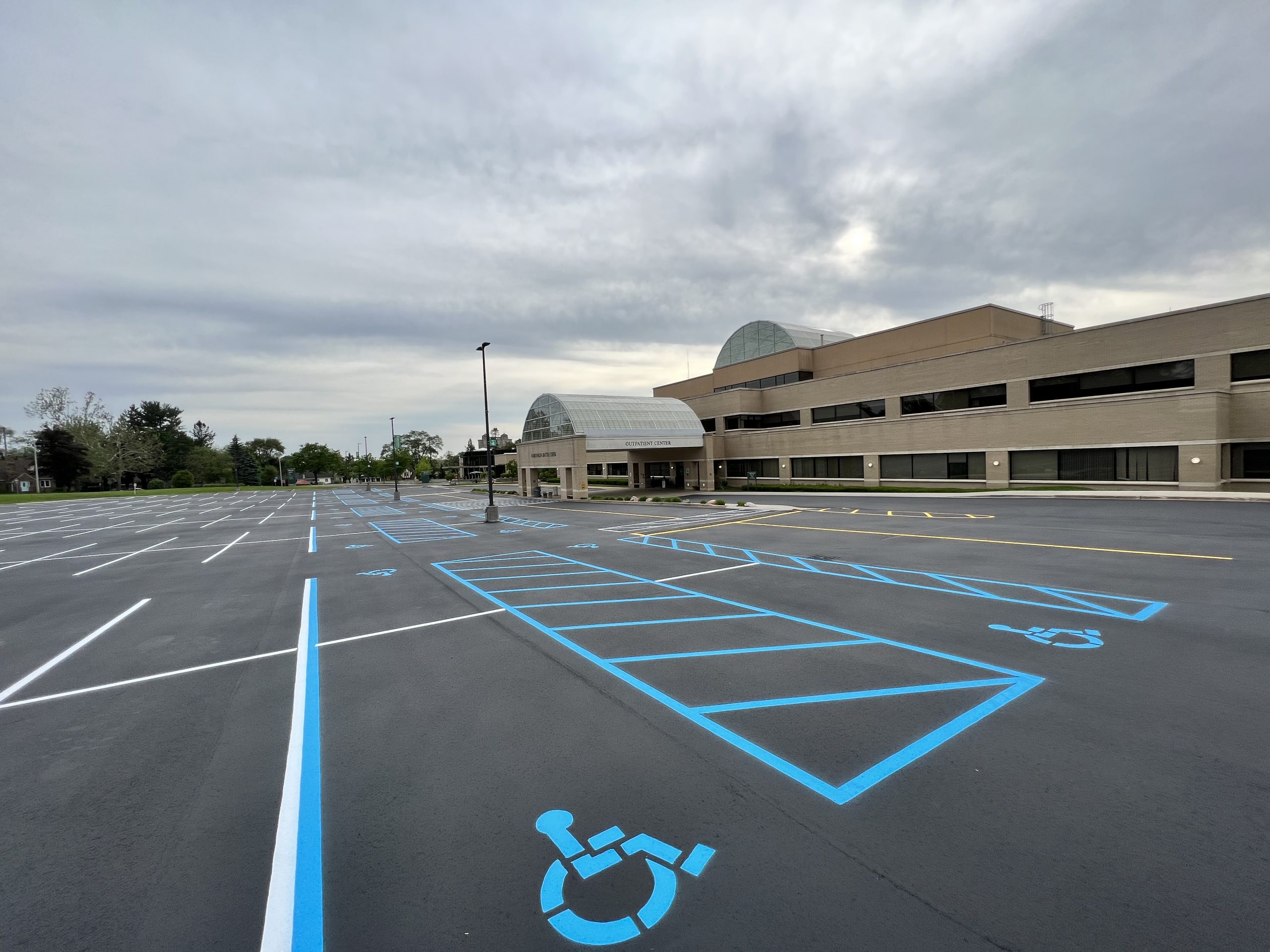
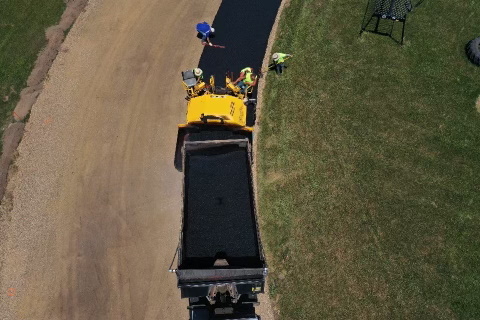
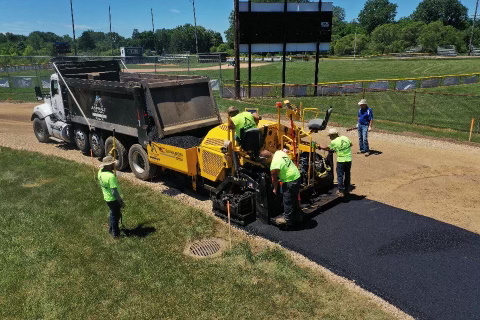
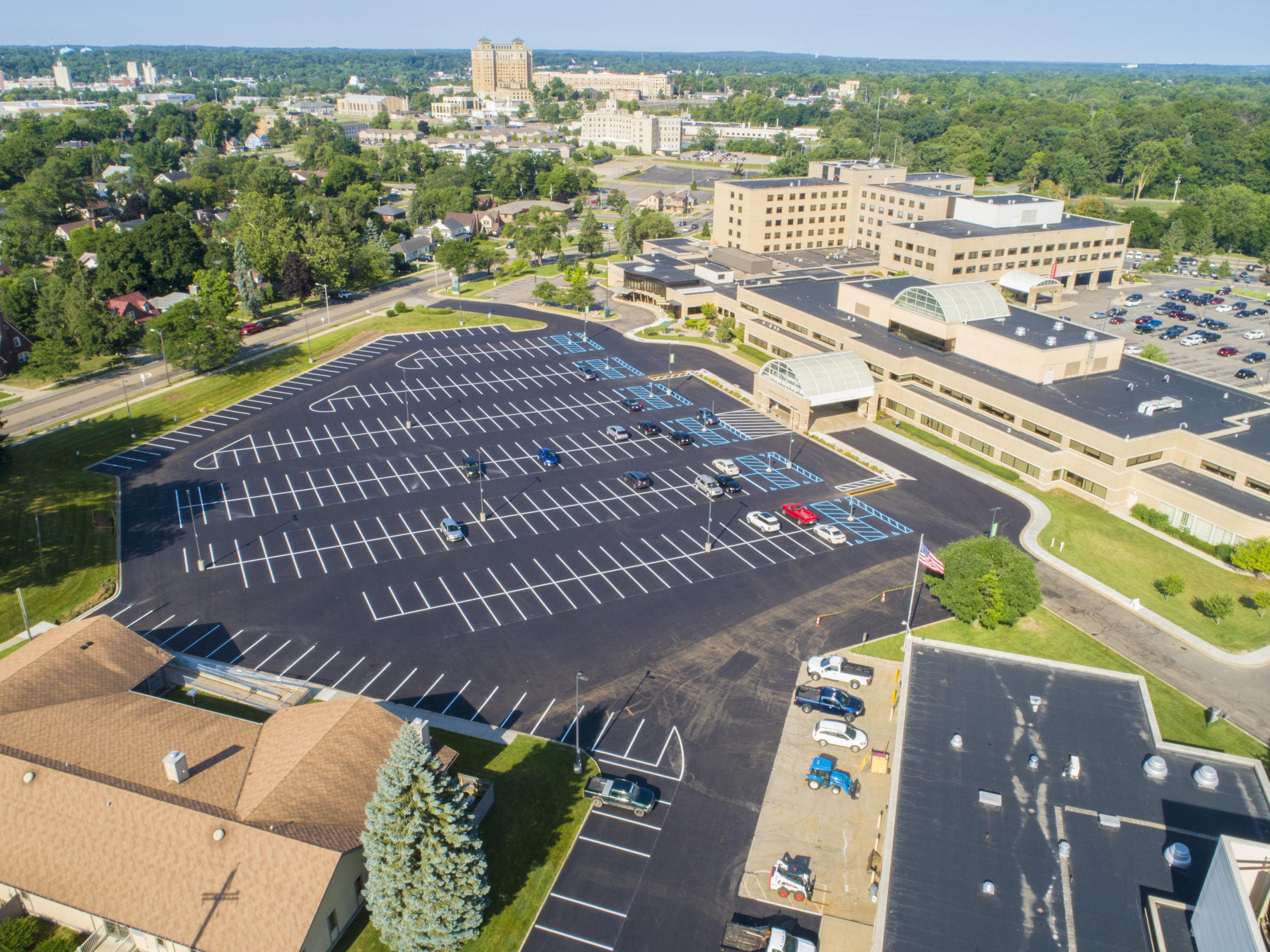
And when it comes to your own driveway or parking lot, getting a professional asphalt company makes sure the job is done right, preventing future damage and costly repairs.
And while bad roads are frustrating, February’s melting snow is creating even bigger problems—this time, inside your home.
2. Melting Snow is Flooding Your Basement and Yard
Warm spells in February might feel like a relief—until you realize where all that melting snow is going. When piles of snow start to melt, the water has to go somewhere, and if the ground is still frozen, it can’t absorb it.
That means water pools in low-lying areas, floods yards, and even seeps into basements.
If you live in neighborhoods like Post Addition or Riverside, you know how quickly this happens.
Storm drains clog easily, especially when slush and ice block the flow. Areas near the Kalamazoo River and Linear Park Trail are especially prone to standing water, making some streets look more like lakes.
A very possible scenario is that you come home from work and notice damp spots on your basement walls. A few hours later, there’s water pooling in the corners.
After a few more hours, your basement is soaked—and your sump pump isn’t keeping up.
What You Can Do: Keep snow piles at least three feet away from your foundation, and check your sump pump regularly to make sure it’s working properly.
And if the flooding wasn’t bad enough, melting snow is creating another hidden danger—one that’s almost impossible to see until it’s too late.
3. Black Ice is Making Parking Lots and Sidewalks Dangerous
Melted snow refreezing overnight is a recipe for black ice—thin, nearly invisible layers of ice that turn sidewalks and parking lots into slip hazards. You might think you’re stepping onto a wet patch of pavement, only to end up flat on your back.
This is especially dangerous in downtown Battle Creek, where sidewalks become treacherous, and in shopping center parking lots where ice hides between parked cars.
Even your own driveway isn’t safe.
Imagine you’re walking into Lakeview Square Mall, arms full of shopping bags. You take one step onto what looks like wet pavement—and suddenly, you’re on the ground, stunned and sore.
Whether it’s a bruised tailbone or something worse, black ice turns a quick errand into a painful experience.
What You Can Do: Sprinkle sand or kitty litter on walkways for traction. Salt works too, but once temperatures drop below 15°F, it becomes less effective.
And speaking of salt, it’s not just a problem for sidewalks—it’s also eating away at your car.
4. Road Salt and Slush Are Destroying Your Car
Battle Creek’s road crews work hard to keep streets clear, but all that road salt comes at a price—your vehicle. Slushy, salt-covered roads send corrosive grime splashing onto your car’s undercarriage, leading to rust, weakened suspension, and brake line corrosion.
If you drive on Beckley Road or Michigan Avenue in the winter, you know how quickly your car gets coated in that nasty salt film. And if you don’t wash it off regularly, you’ll start seeing rust spots before spring even arrives.
Take, for example, a driver in Minges Brook who skips car washes all winter. By March, rust is creeping up under the doors, and worse yet, corroded brake lines mean a costly repair bill.
What You Can Do: Get an undercarriage wash every two weeks at a local car wash to remove salt buildup before it starts causing serious damage.
But it’s not just the roads taking a beating—your driveway and sidewalks are paying the price, too.
5. February’s Weather is Destroying Your Driveway & Sidewalks
You might not notice it now, but February’s freeze-thaw cycle is slowly wrecking your driveway and sidewalks.
Every time temperatures swing from freezing to thawing, concrete expands and contracts. Over time, this causes cracks, shifting, and heaving—especially in older driveways in neighborhoods like Lakeview.
Maybe you spotted a small crack in your driveway last fall and thought nothing of it.
Now, after weeks of freezing and thawing, that crack has doubled in size. By spring, you’re looking at major asphalt repairs.
What You Can Do: Schedule crack repairs or sealing early in the spring before the damage gets worse.
February in Battle Creek is Tough—But You Can Prevent the Worst
Battle Creek’s February weather isn’t just inconvenient—it’s actively causing damage. From potholes and flooded basements to black ice and rusted-out cars, these problems don’t go away on their own.
But the good news? You can take steps now to prevent expensive repairs later.
At Asphalt Solutions Plus, we’re here to help protect your property from winter’s worst. Whether you need driveway repairs, sealcoating, or expert advice, we’ve got you covered.
Call us today to get ahead of February’s damage—before spring brings even bigger headaches.